
Published: November 3, 2026
Category: Data Breaches & Consumer Protection
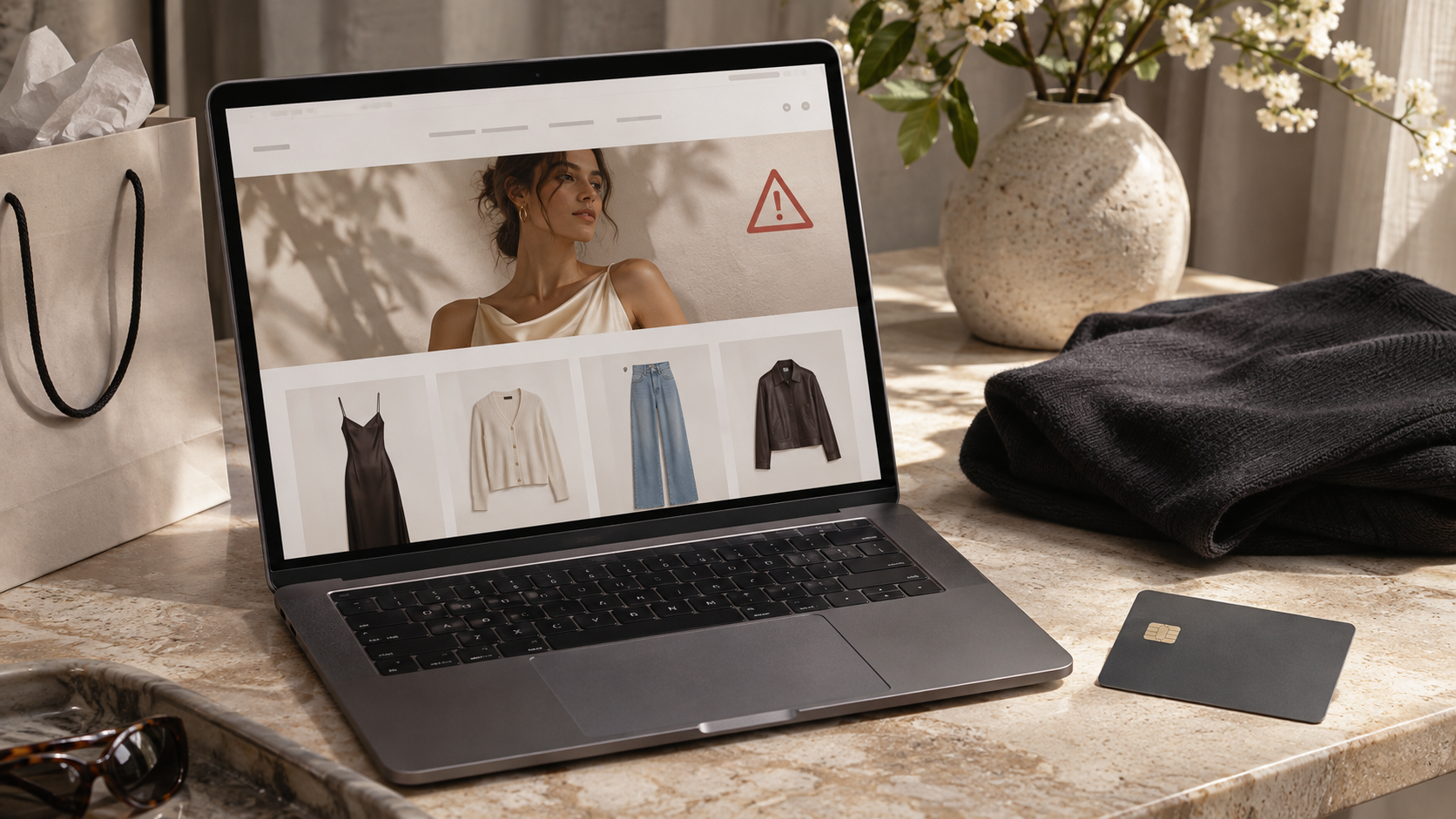
Caption: Saved payment details can become a concern after a retailer’s security incident. Conceptual AI-generated illustration; not an image of Revolve’s systems.
Saving a card at checkout makes the next purchase easier. After a data breach, it can also leave shoppers wondering whether the information they stored is still safe.
Revolve Group has disclosed unauthorized access involving its online shopping platform. Its customer notice says an outside actor accessed the platform on September 11, 2026, and may have acquired customers’ names, addresses, payment card numbers and expiration dates. The notice identifies the affected card by its last four digits. Revolve Group operates Revolve.com and FWRD.com. [1]
For customers who receive a notice, the immediate priority is the payment card identified in that letter.
When did the Revolve breach happen?
The company’s notification establishes two key dates: September 11, when the unauthorized access occurred, and September 29, when Revolve determined which types of customer information were involved. Revolve then disclosed the incident in an SEC filing dated October 29. [1][2]
Those dates describe different stages of the incident. The October disclosure does not mean the breach happened in October.
How did it happen—and who was responsible?
Revolve told the SEC that an unauthorized actor may have collected information using automated methods. Its disclosure focuses on certain customers who had saved payment information in their online shopping accounts. [2]
That explanation leaves significant questions unanswered. The filing does not identify the attacker, name a particular vulnerability or explain exactly how access was obtained. It would be premature to describe the incident as ransomware, credential stuffing or a checkout-skimming attack.
Revolve says it contained and remediated the unauthorized activity, brought in outside cybersecurity specialists, notified federal law enforcement and strengthened security measures. It also reported no interruption to customer service or operations and said, at the time of the filing, that it did not expect a material impact on its business. [2]
A functioning website, however, does not tell an individual shopper whether their saved card was involved.
What information was exposed?
The customer notice lists names, addresses, payment card numbers and expiration dates. The SEC filing describes the personal information more broadly as names and contact information. [1][2]
Neither document lists Social Security numbers, passwords or card security codes among the affected data. That is a description of what has been disclosed—not a guarantee about information outside the published findings.
The SEC filing and California sample notice do not provide a nationwide victim total. Customers should use their individual notification to determine which card Revolve identified.
[INLINE IMAGE: Shopper reviewing transactions on her phone — use the accompanying editorial illustration.]
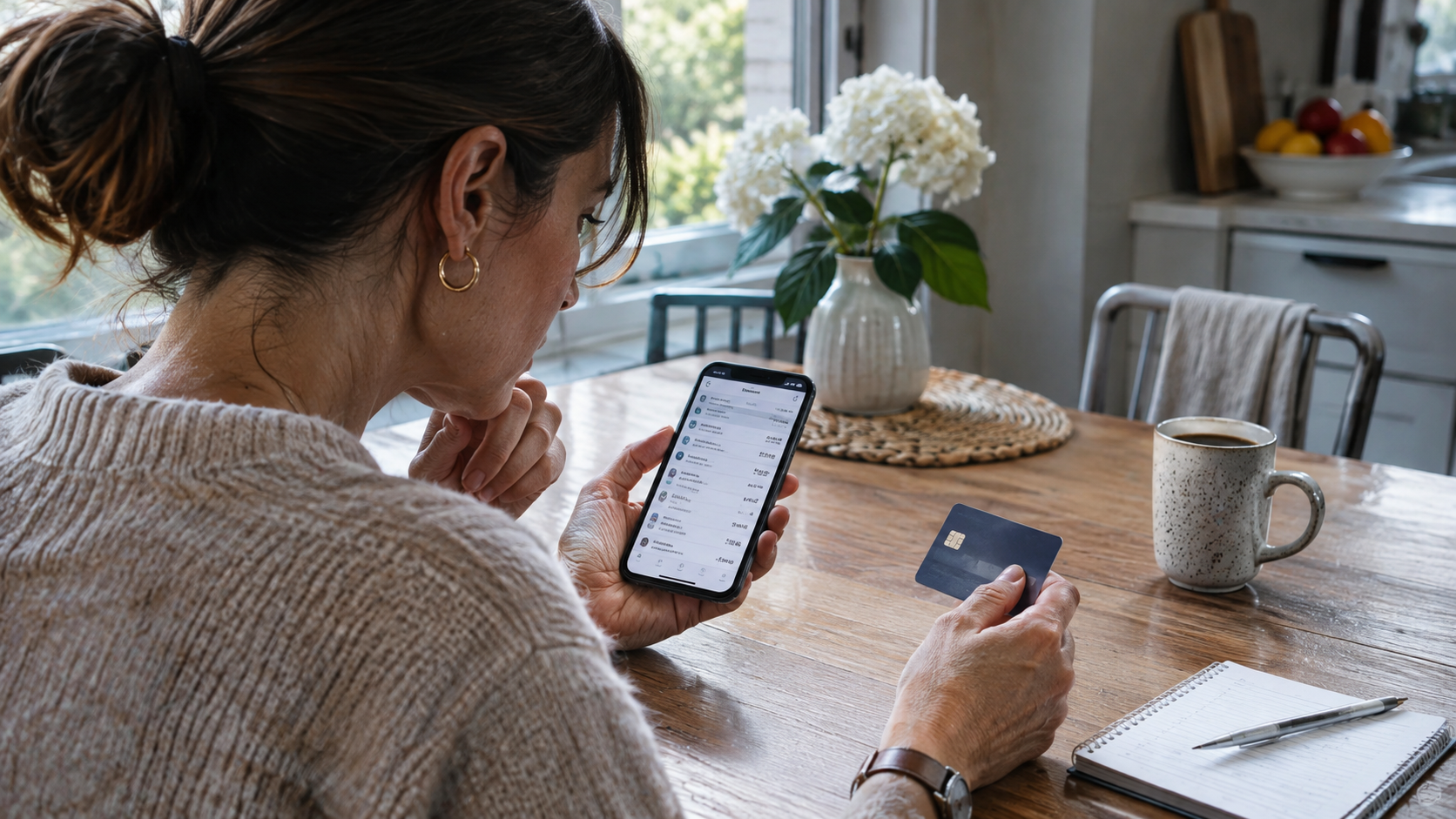
Caption: Review recent transactions and contact your card issuer about unfamiliar charges. Conceptual AI-generated illustration; the person shown is not an identified Revolve customer.
What should affected customers do now?
Contact your card issuer. Use the number printed on your card or your bank’s official app. Explain that your card information may have been exposed and ask whether the card should be replaced. [3]
Review transactions and report anything unfamiliar promptly. Check pending activity as well as statements. Keep watching over the coming months; stolen card information may not be used immediately. [3][4]
Update recurring payments if you receive a replacement. Subscriptions and household bills may need the new card details. [3]
Treat unexpected “breach assistance” messages cautiously. If someone contacts you about your card, independently call the issuer using a trusted number. Do not rely on the number or link supplied in the message. [4]
Review your credit reports for unfamiliar accounts. Revolve’s notice directs customers to AnnualCreditReport.com and explains the availability of free security freezes. A freeze can help restrict new-account fraud, but it does not block charges on an existing payment card. Card replacement and transaction review remain separate steps. [1]
The practical lesson for online shoppers
A breach notification deserves attention even when shopping and deliveries continue normally. Read the notice, identify the affected card and speak directly with the issuer about the next step.
For this incident, the published information points first to payment card exposure. Broader credit monitoring can help consumers watch for other warning signs, but it should accompany—not delay—action on the card itself.