
November 18, 2026 | Credit.CC™ Security Insights
Some of the world's largest financial institutions have spent decades and billions of dollars building sophisticated technology and cybersecurity defenses.
Yet this week, names including JPMorgan Chase, HSBC and Visa have appeared in headlines involving cyber incidents, ransomware allegations and security threats.
The most important question isn't simply whether these organizations can defend themselves.
It's what their experiences tell us about protecting our own identities.
What Happened This Week?
Recent developments highlight several different ways cybercriminals can threaten major financial organizations.
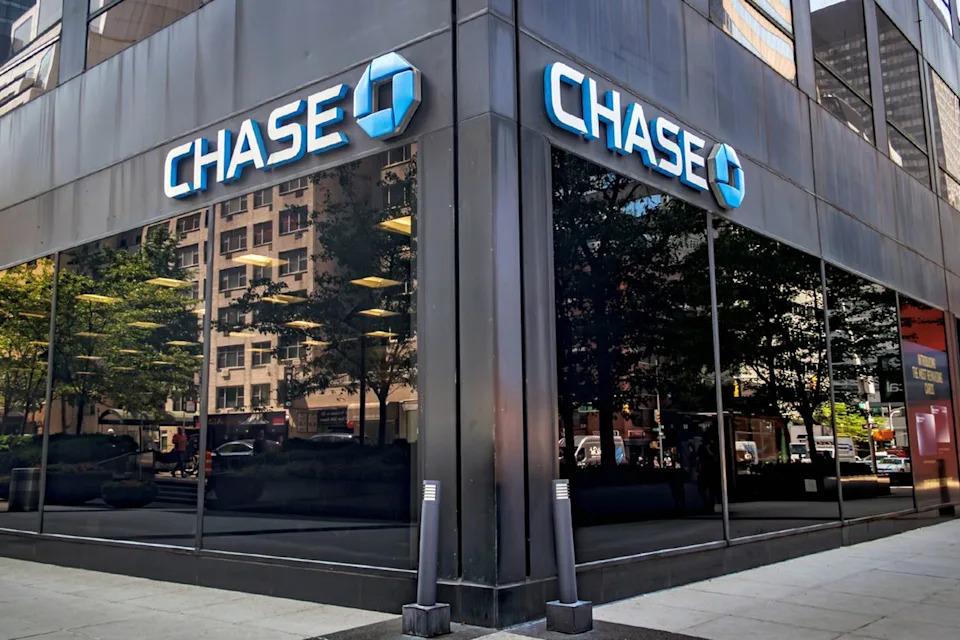
JPMorgan Chase: A ransomware group calling itself n0n publicly claimed to have stolen information from JPMorgan Chase and threatened to release it unless a ransom was paid. Chase denied evidence of a cyberattack and attributed its recent service disruption to a software problem. The criminals' allegations remain unverified.
Visa: The same group made an extortion claim involving Visa. Visa acknowledged a cybersecurity incident affecting a third-party provider but stated that its own systems were not compromised and that there was no indication payment card data had been affected.
HSBC: Websites associated with HSBC and Associated Bank were affected by malicious code distributed through a third-party marketing technology provider. The incident illustrates how attackers can exploit external technology suppliers without directly compromising a bank's internal systems. The full impact on visitors remains under investigation.
Although the circumstances differ, the incidents illustrate a common challenge: even the world's most sophisticated financial organizations operate within an increasingly complicated digital environment.
The World Has Changed. Cybercrime Has Changed With It.
Twenty years ago, identity theft often involved stolen wallets, intercepted mail or compromised credit cards.
Today, criminals can operate from anywhere in the world.
They use automated attacks, stolen credentials, phishing, artificial intelligence and compromised third-party services to target organizations and individuals.
A criminal doesn't necessarily need to break into your bank to create problems for you.
Access to enough personal information can potentially allow someone to impersonate you, attempt to open accounts in your name, target your phone number or conduct convincing financial scams.
And once personal information has been exposed, changing a password doesn't necessarily make that information disappear.
If Major Financial Institutions Face These Threats, What About You?
Consider the resources available to a global financial institution:
Dedicated cybersecurity teams monitoring threats around the clock.
Sophisticated fraud-detection systems.
Extensive security infrastructure.
Specialists trained to investigate and respond to attacks.
Now consider the average household.
Most people have no idea where their personal information is circulating online, whether their identity has appeared in a data breach or whether someone is attempting to misuse their credit information.
The difference is that large institutions have entire departments watching for threats. Most families have nobody watching.
This doesn't mean every person is about to become a victim. It means that relying entirely on banks, websites and service providers to safeguard your identity leaves important gaps in your personal protection.
Your Identity Is More Than Your Bank Account
A stolen credit card can usually be canceled and replaced.
Your Social Security number, date of birth, address and other identifying information are much harder to replace.
When this information falls into the wrong hands, it may be used for fraudulent credit applications, account impersonation, financial scams or other forms of identity theft.
The consequences may not appear immediately.
In some cases, people discover suspicious activity only when they apply for a mortgage, finance a vehicle or review a credit report.
That's why identity protection shouldn't begin only after fraud has occurred.
Five Ways to Strengthen Your Protection Today
1. Monitor your credit reports. Review activity across all three major credit bureaus and investigate unfamiliar accounts or inquiries.
2. Protect your financial accounts. Use unique passwords, enable multifactor authentication and turn on transaction notifications.
3. Check where your personal information is exposed. Data brokers and people-search websites may publish details that make identity-based scams easier.
4. Consider freezing your credit. A security freeze with Equifax, Experian and TransUnion can help prevent fraudulent new credit accounts from being opened.
5. Monitor your identity continuously. Watch for exposed credentials, suspicious account activity and signs that your personal information is being misused.
No individual tool can prevent every cyberattack or guarantee that identity theft will never occur. But combining prevention with monitoring and early detection can make a meaningful difference.
Identity Protection Is Becoming a Household Necessity
We insure our homes, vehicles and other valuable assets because we understand the financial consequences of losing them.
Yet our personal identities are connected to nearly everything we own.
Our bank accounts, credit histories, mortgages, retirement savings and financial reputations all depend on information that increasingly exists across numerous digital systems.
We believe consumers deserve greater visibility and control over that information.
Our platform brings together identity monitoring, credit monitoring, real FICO® Scores, three-bureau credit reports, privacy protection tools and security alerts to help individuals and families identify potential threats earlier.
The goal isn't to create fear. It's to give people the information and tools to make better decisions about protecting themselves.
The Bottom Line
The recent headlines involving JPMorgan Chase, HSBC and Visa should make everyone think more seriously about the digital world we now live in.
These incidents do not establish that every institution suffered a successful ransomware attack. They do, however, demonstrate the range of threats facing even highly sophisticated organizations.
If the largest financial institutions must continuously monitor and defend against cyber threats, shouldn't individuals and families take their own protection just as seriously?
Don't wait until you discover an unfamiliar account, suspicious transaction or compromised identity.
Protect what matters most.
Explore Credit.CC™ identity and credit protection for yourself and your family.
Get protected today at https://www.credit.cc
Credit.CC™ provides monitoring and protection tools but cannot guarantee prevention of all identity theft, fraud or cybersecurity incidents.