

Updated November 10, 2026
A caller says your bank account is at risk. They know your name, sound professional, and insist you must act immediately. Before you do anything, pause.
Scammers sometimes turn the fear of identity theft into the scam itself. The Federal Trade Commission warns that criminals impersonate banks, government agencies, and technology companies to convince older adults to move their money or reveal sensitive information. [1]
Identity protection for seniors starts with knowing what to watch for—and having a simple plan before something happens.
Why does identity protection matter after retirement?
Your identity still has value even if you’ve paid off your mortgage and stopped applying for credit. Someone who steals your information may try to open accounts, use existing accounts, obtain medical care, or misuse your tax information. [2]
A quiet credit history does not mean your personal information is safe. And a familiar voice or convincing caller ID is not proof that a request is legitimate.
There’s also a difference between identity theft and a scam: identity theft involves someone using your information without permission, while a scam may persuade you to send money yourself. Protecting yourself requires attention to both.
What should seniors do to protect themselves?
1. Freeze your credit with all three bureaus
A credit freeze restricts access to your credit file, making it harder for someone to open new accounts that require a credit check. Request one separately with Equifax, Experian, and TransUnion. Placing and lifting a freeze is free, and it does not lower your credit scores. [3]
If you apply for new credit, you may need to temporarily lift the relevant freeze. Keep the account access information somewhere secure.
A freeze does not stop unauthorized charges on existing accounts or prevent every kind of identity theft. Keep checking your statements. [4]
2. Hang up and verify unexpected requests
If someone calls claiming to be your bank or a government agency, end the call and contact the organization using a number you already trust. Use the number on your bank card or an official website you type in yourself. [1]
Never move money to a “safe account” because an unexpected caller tells you to. Treat requests for gift cards, cryptocurrency, cash deliveries, or secrecy as reasons to stop and verify. [1]
For a supposed family emergency, call your relative back using their saved number before sending money.

3. Review your accounts and credit reports
Check bank and credit card activity regularly. Turn on transaction alerts where available, and investigate unfamiliar withdrawals, charges, accounts, or address changes.
Review your credit reports through AnnualCreditReport.com. Look at the accounts and inquiries—not just a credit score. Unexpected bills or missing statements can also be warning signs. [2]
4. Protect your Medicare information
Treat your Medicare number as sensitive information. Review Medicare statements and claims for services you did not receive. If something looks wrong, contact your provider using a verified number; suspected Medicare fraud can be reported at 1-800-MEDICARE (1-800-633-4227). [5]
Be cautious about unsolicited offers of free equipment or medical services in exchange for your Medicare number. [5]
5. Strengthen your email and account security
Use a different strong password for each important account, and turn on multifactor authentication where available. Start with your email, because it can be used to reset passwords for other services. [2]
Keep your phone and computer updated. Do not give an unexpected caller remote access to your device or share a login verification code with them.
6. Secure your mail and personal documents
Collect mail promptly, keep sensitive paperwork secure, and shred documents containing personal information before discarding them. Before sharing your Social Security number, ask why it is needed and whether another identifier will work. [2]
7. Choose someone you can consult
Agree on a simple rule with a trusted person: before making an unusual payment or responding to a frightening financial message, pause and talk it through.
Helping an older parent should respect their consent and independence. Sit together while they review their accounts rather than asking them to hand over passwords or verification codes.
Is identity protection worth considering for seniors?
A monitoring service can add another layer of awareness. Credit monitoring can flag certain changes in your credit files; identity monitoring may look for signs that personal information is exposed or misused. Recovery support can help you work through an incident. [2]
When comparing services, consider:
Whether credit monitoring covers one bureau or all three.
What personal information the service monitors.
How alerts arrive and whether you can understand and act on them.
What human assistance is available if you find a problem.
The price, renewal terms, cancellation process, and any insurance exclusions.
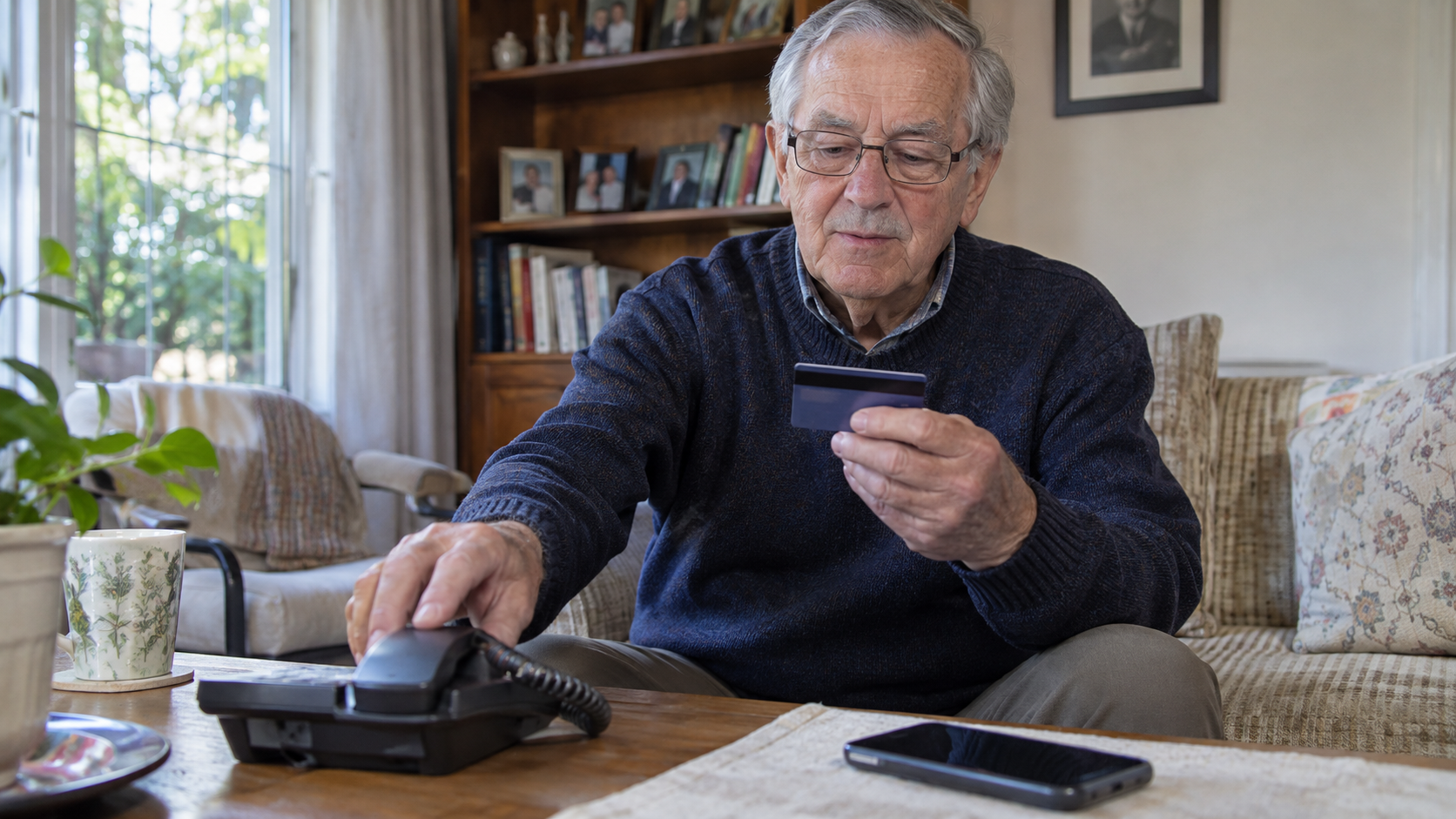
No service can prevent all identity theft or guarantee that a scam will be caught. Insurance benefits, if included, depend on the policy and do not mean every loss will be reimbursed. [2]
Credit.CC™ offers plans with credit and dark web monitoring, FICO® Score 8 access, and fraud remediation support. Selected plans include three-bureau monitoring and additional features. Compare the current plans and pricing to choose the coverage that fits your needs. [6]
How to sign up for identity protection with Credit.CC™
Visit the official website. Type www.credit.cc directly into your browser and select Get Started, or open the plans page.
Compare your options. Review the included features, billing frequency, and total cost before choosing a plan.
Follow the enrollment prompts. Create your account and complete the requested identity verification and payment steps. Enter sensitive information only within the official enrollment process.
Review your dashboard and alerts. After enrollment, check the information shown, review available notification settings, and follow any remaining setup instructions.
If a family member helps, stay involved in choosing the plan and completing your own verification. For questions about protecting a parent, explore the Parent Protection information on the homepage. [7]
What if you think your identity has already been stolen?
Contact the affected bank or company immediately using a verified number. If you sent money to a scammer, ask the payment provider whether the transaction can be stopped or reversed.
Go to IdentityTheft.gov to report identity theft and get a recovery plan. Change compromised passwords, review your credit reports, and keep records of your calls and reports. [8]
You can also place a free initial fraud alert by contacting one of the three credit bureaus; it must notify the other two. A credit freeze requires contacting each bureau separately. [2][3]
Take the next step toward protecting your identity
You don’t have to wait for an unfamiliar bill or a suspicious account to take action. Start with the free steps above, then decide whether ongoing monitoring and support belong in your plan.
You’ve worked hard for your retirement. Help protect the identity behind it.
Compare Credit.CC™ plans for credit monitoring, identity monitoring, and support when something needs your attention.