
What happened, and when?
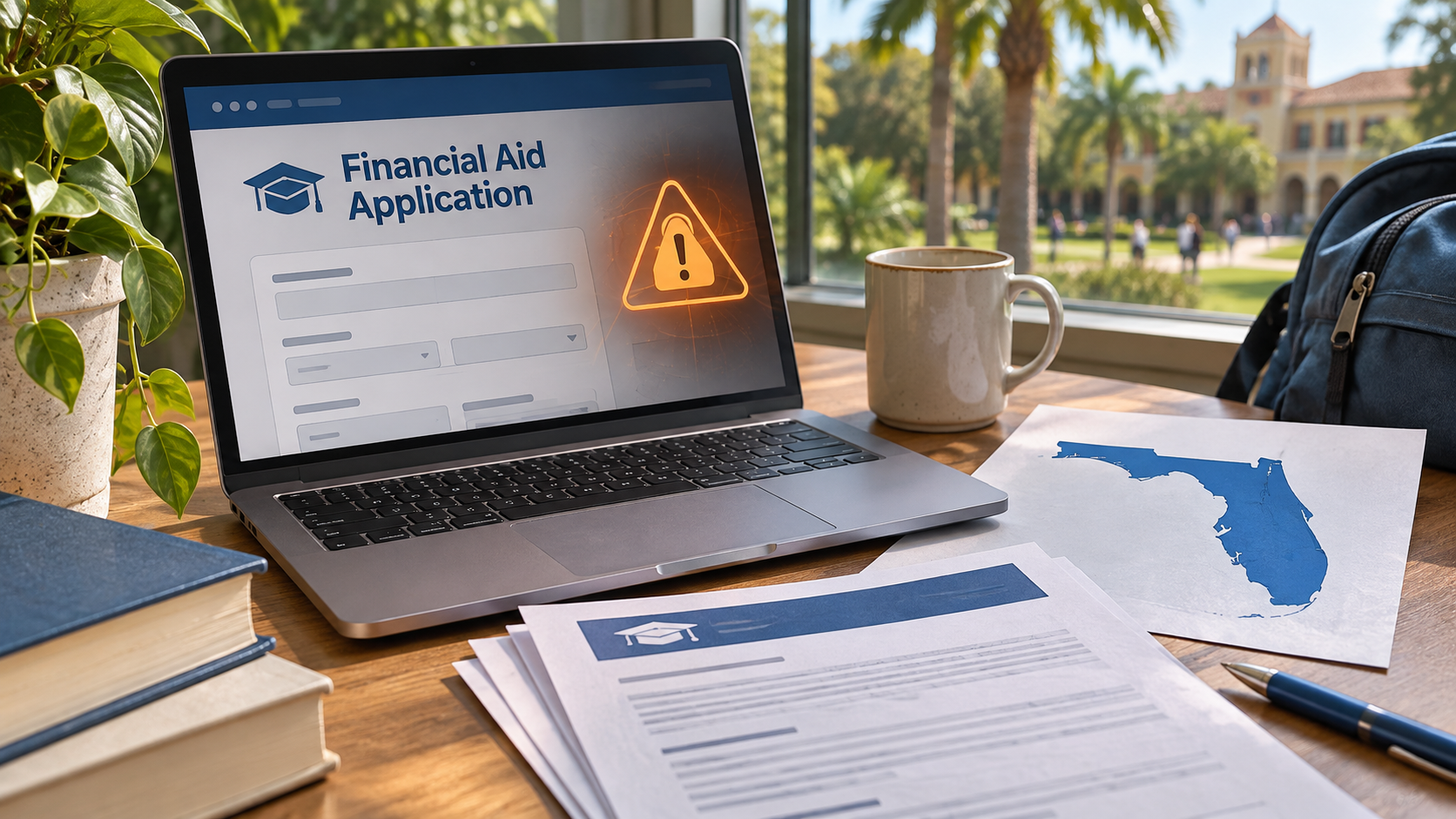
The Florida Department of Education says staff discovered unauthorized criminal access involving https://floridastudentfinancialaid.org/ on October 19, 2026. It publicly announced the incident on October 29. October 19 is the discovery date; the department has not specified when the intrusion began. [1][2]
Potentially exposed data includes names, Social Security numbers, birthdates, addresses, phone numbers, email addresses and gender codes. The information involved varies by person; the state has not confirmed that every record contained every listed field. [1]
How did hackers get in, and who was responsible?
The department has not publicly identified the attackers or disclosed the entry method. Its notices do not establish whether phishing, stolen credentials, ransomware or a software flaw was involved. Those remain unanswered questions. [1][2]
Florida says it acted to contain the incident and secure its systems, notified the Attorney General, and is working with the Florida Digital Service and Florida Department of Law Enforcement. [2]
Current financial aid, payment timing and eligibility are unaffected, according to the department. [1]
Why exposed personal information matters
A breach notification does not automatically mean someone has stolen your identity. It does mean you should pay attention to possible misuse. Criminals can use personal information to impersonate people or make fraudulent messages sound convincing. A caller knowing your name or address is not proof that the caller is legitimate. [3][4]
What potentially affected applicants should do
1. Check the official notice
Visit the department’s breach page directly at https://www.fldoe.org/databreach.stml. Use its published contact, [email protected], for incident questions. Avoid entering sensitive information into unofficial “breach checker” websites. [1][4]
2. Freeze your credit with all three bureaus
A credit freeze helps prevent someone from opening new credit accounts using your identity. Request one separately from Equifax, Experian and TransUnion. Placing or lifting a freeze is free and does not lower your credit score. You can temporarily lift it when applying for credit. [5]
3. Review your credit reports
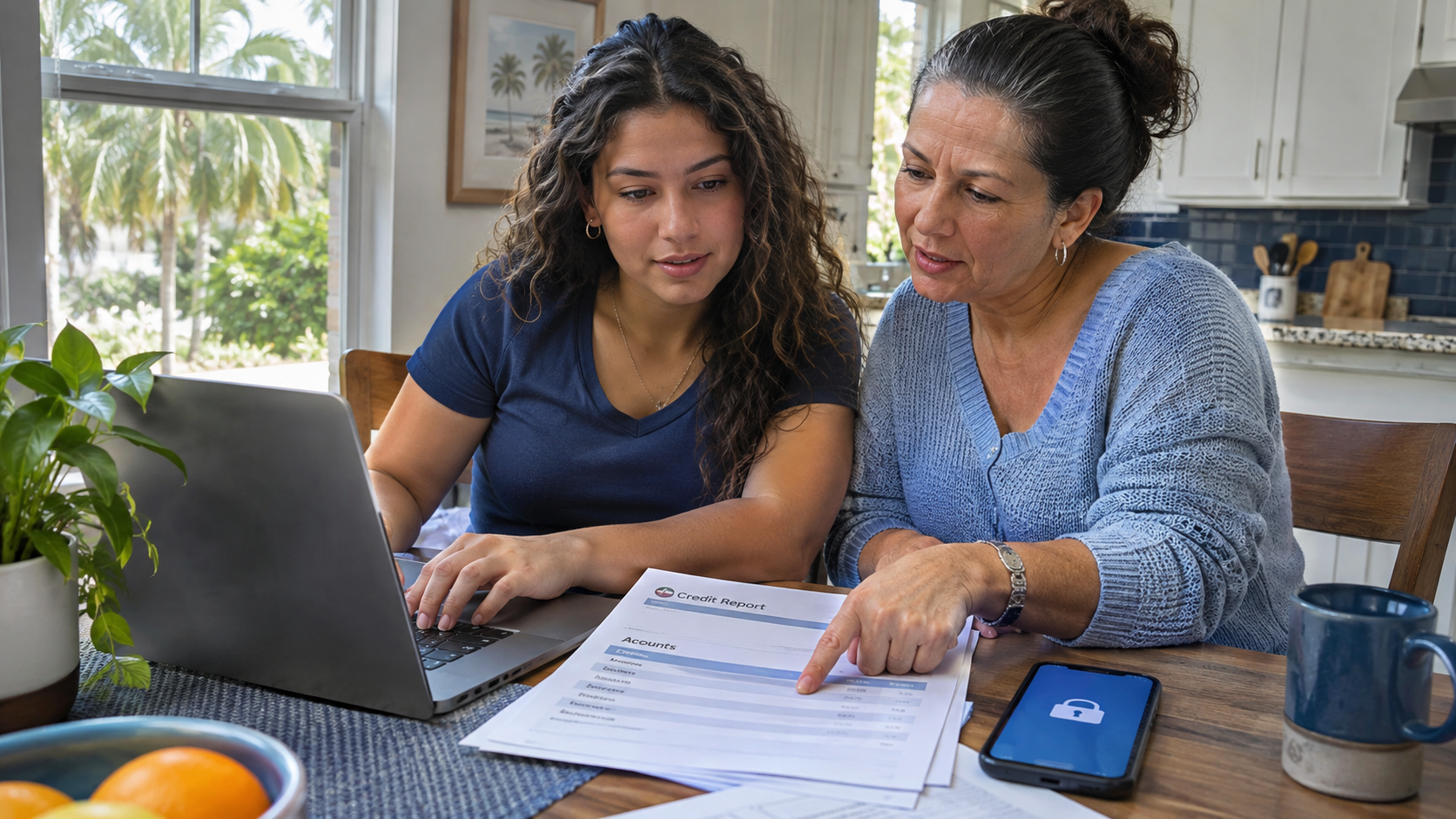
Get your reports through https://www.AnnualCreditReport.com. Look for unfamiliar accounts and inquiries. If something looks wrong, contact the business involved and dispute inaccurate information with the credit bureau. [5][6]
4. Consider a fraud alert
A free initial fraud alert lasts one year and tells lenders to verify your identity. Contact one bureau; it must notify the other two. An alert can be used alongside a freeze. [5]
5. Watch existing accounts and suspicious messages
Review bank and card transactions and enable account alerts. A credit freeze does not stop misuse of accounts you already have. [3][5]
Be cautious about messages claiming you must pay a fee, confirm your Social Security number or provide a verification code to protect financial aid. Verify requests using a website or phone number you independently know is genuine. These are general precautions, not evidence of a confirmed scam campaign tied to this incident. [4]
6. Strengthen your logins
Use unique passwords and enable multifactor authentication, especially for email and financial accounts. If a password is compromised, change it everywhere you reused it. Password exposure has not been established in Florida’s published list of potentially affected data. [1][7]
7. Report actual identity theft promptly
If you discover fraudulent accounts or other misuse, visit https://www.IdentityTheft.gov to create an FTC Identity Theft Report and a recovery plan. Contact the affected companies promptly and keep copies of reports, disputes and correspondence. [6]
Sources
1. Florida Department of Education — Data Breach FAQ: https://www.fldoe.org/databreach.stml
2. Florida Department of Education — October 29, 2026 announcement: https://www.fldoe.org/newsroom/latest-news/florida-department-of-education-is-aware-of-a-data-breach-incident-involving-unauthorized-criminal-access-to-department-information.stml
3. FTC — What To Know About Identity Theft: https://consumer.ftc.gov/articles/what-know-about-identity-theft
4. FTC — How To Recognize and Avoid Phishing Scams: https://consumer.ftc.gov/articles/how-recognize-avoid-phishing-scams
5. FTC — Credit Freezes and Fraud Alerts: https://consumer.ftc.gov/articles/credit-freezes-and-fraud-alerts
6. FTC — Identity Theft Recovery Steps: https://www.identitytheft.gov/Steps
7. FTC — Use Two-Factor Authentication To Protect Your Accounts: https://consumer.ftc.gov/articles/use-two-factor-authentication-protect-your-accounts